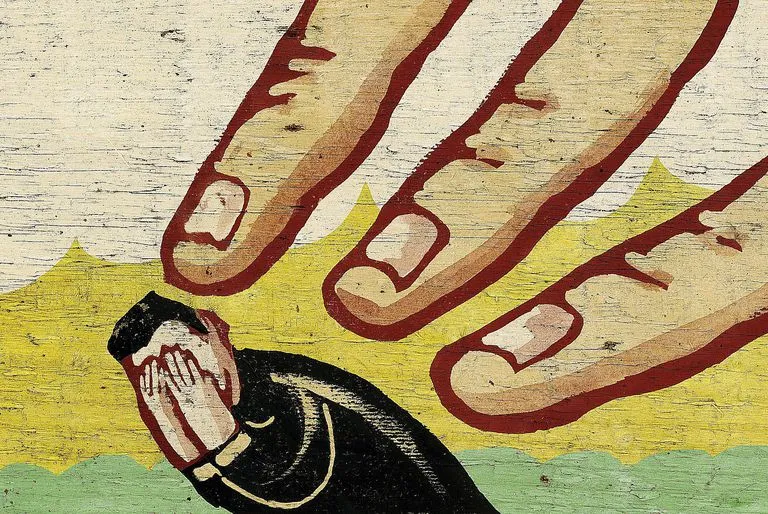
Child/Family reintegration is often promoted and required for some families, as a solution for fractured relationships after divorce or separation. In cases involving a safe, loving parent and a child who’s simply been caught in emotional crossfire, reunification can help restore bonds.
I have rarely, if ever, seen these types of clients. The usual type of family situation that engages my practice is when one parent has a history of abuse—especially if they suffer from a personality disorder—forced reintegration becomes a tool of control, not healing. From the therapist perspective, it is rarely just about the child.
From a therapeutic standpoint, this isn’t support. It’s betrayal. In my practice, I have witnessed this abuse and betrayal, and have heard pleading by the children to not be put back into their family system of abuse.
When Personality Disorders Drive Parenting
 The heartbreaking but true reality of many reintegration situations is that one parent is living with an untreated and unrecognized personality disorder—particularly narcissistic, borderline, or antisocial traits. Most people around this parent or ex-spouse recognize the extreme behaviors and disorder.
These parental strategies often cause deep, long-lasting harm to all involved: children, ex-spouses, and grandparents. These are not just “difficult” people. They often lack empathy, twist reality, gaslight, “crazy-make,” and view relationships through power and control. They manipulate therapists as well, and when they can’t control the therapeutic relationship, they move on to a new therapist—forcing the child to repeat the cycle.
For a child, this can mean years of gaslighting, emotional neglect, or outright abuse. Some children develop suicidal thoughts, behaviors, and trauma due to one parent’s abuse. I’ve seen children as young as 9 with extreme suicidal ideation.
Despite this, courts often push for contact under the false belief that every child needs both parents equally. But children need safe parents—not all parents. Forcing this is like asking a woman to dine with her rapist. Courts would never do that to an adult, but it happens to children every day.
The Child’s Life Becomes a War Zone
In these cases, the child’s life becomes the war zone. They are blamed for resisting contact—labeled as alienated or oppositional. But resistance in the context of abuse is a survival strategy, not a symptom of manipulation.
Forced interactions teach children that their fear doesn’t matter, their voice doesn’t count, and compliance is equated with “health.” Children cry in my office, begging not to return. I must explain that it’s not my decision, as the legal system does not support our children adequately.
Therapeutic System: Endangered and Compromised
Therapy is often mandated in reintegration. Abusive parents understand how to manipulate child protection services and the court system. Therapy becomes a tool to normalize abuse rather than help the child heal.
Therapists may be pressured to reunify the family regardless of the child’s needs. They’re discouraged from saying “abuse” or “trauma.” I’ve been threatened and called unfit for standing against abusive parenting.
This is ethically dangerous. Therapy should prioritize the child’s safety. Instead, therapists become enforcers of court orders. The child learns that therapy is another place to perform, not to heal. When therapists advocate, they’re often removed—another betrayal for the child.
The Legal System’s Continuation of Abuse
Family court prioritizes adult fairness over child safety. Many judges lack training in trauma and personality disorders. They may fall for the charm of narcissistic or sociopathic parents and mislabel the child’s fear as “parental alienation.”
This allows abusers to use the court system to maintain control. Protective parents—often mothers—can lose custody. The child’s trauma is reframed as manipulation. Abuse is written into legal orders.
The Long-Term Impact
Children caught in these dynamics suffer deeply. I see young adults with complex PTSD, anxiety, and difficulty trusting. Many blame themselves, especially boys who tried to protect their mothers or siblings. They carry guilt and shame into adulthood.
These children often enter abusive relationships later in life, unable to set boundaries or trust their perceptions. They need years of therapy to unpack the truth—that they were forced into damaging relationships in the name of family.

A Better Approach
Therapeutically, forced reunification is not the answer. Validation, safety, and choice are. Children should not be forced into harmful relationships. Therapists must be free to name abuse and advocate for the child—even against court pressure.
The legal system must evolve. Judges need trauma-informed training. Therapists should be seen as protectors, not neutral facilitators. Children need to be believed, validated, and protected—not betrayed by the very systems claiming to help them.
Family does not equal safety. Millions of children live in fear and trauma. Relationship does not equal rights. Until systems prioritize child well-being, reintegration in abusive situations will continue to cause harm.