
Intimacy within couples is a multifaceted concept that encompasses both emotional and physical components. At the core of this is the intricate balance between connection, communication, sex, and conflict resolution. As we dive into the clinical aspects of maintaining intimacy, we will explore how sex and emotionality intertwine, the role of conflict in a relationship, and the critical tools for maintaining eroticism and desire in long-term monogamy. Drawing on research from experts like Emily Nagoski, Dr. David Schnarch, and others, we will explore how couples can navigate the challenges of maintaining a fulfilling relationship as they age, addressing sexual monotony and enhancing intimacy even into their later years.
The Role of Sex in Intimacy
Sex is a cornerstone of intimacy in many romantic relationships, and it plays a vital role in both emotional and physical bonding. As Dr. Emily Nagoski suggests in her work on sexuality, one of the most important factors in a healthy sexual relationship is the concept of sexual well-being, which includes feeling safe, accepted, and free from pressure to conform to unrealistic expectations, a common thread in why so many couples struggle with sexual dysfunction.
Nagoski’s research emphasizes that understanding the interplay between desire and arousal is crucial. In her book Come as You Are, she outlines the dual control model, which states that sexual desire is regulated by both excitatory and inhibitory systems in the brain. For many couples, these systems are affected by both physiological and psychological factors such as stress, emotional connection, and the overall quality of the relationship. She calls them, the brakes and accelerators of love and intimacy.
From a clinical perspective, the role of sex in intimacy is often explored in therapy as part of the couple’s broader communication issues. In session, I describe intimacy as a SCALE. One end of this scale is physical intimacy, both non-sexual and sexual. On the other end is emotional intimacy. Men and women tend to be on opposite ends! Causing havoc in their intimate relationships.
For many couples (often, it is the women in a heterosexual relationship, which needs emotional intimacy first, before engaging in physical sex), sexual intimacy is directly related to emotional intimacy. A lack of sexual desire or frequency of sexual activity can often signal deeper emotional issues or unaddressed conflicts within the relationship. This is particularly relevant when discussing how couples may feel about their sexual lives as they age.

Emotionality and Intimacy
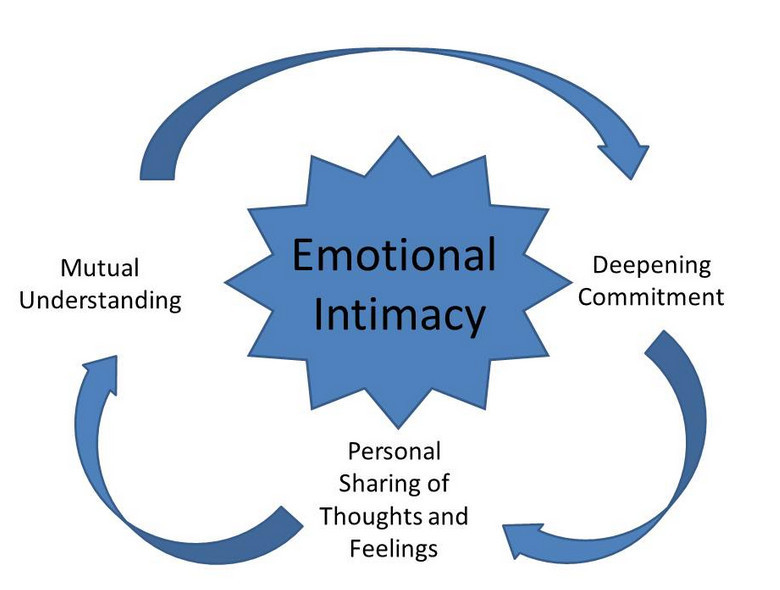
Emotional intimacy is arguably the foundation of all other forms of intimacy. According to Dr. John Gottman’s research on relationship dynamics, couples who are able to communicate effectively and understand each other’s emotional needs have a higher likelihood of maintaining a strong, satisfying relationship over time. Emotional intimacy requires vulnerability, trust, and empathy—qualities that take time and effort to develop and maintain.
The link between emotional intimacy and sexual intimacy cannot be overstated. When couples experience emotional disconnection, their sexual relationship often suffers as well. This is because emotional intimacy fosters a sense of safety and security, which is critical for a healthy sexual connection. Without this emotional foundation, individuals may feel insecure or disconnected, making sexual intimacy feel more like a chore than a joyful experience.
In sessions, a therapeutic goal is often working with clients to improve emotional intimacy by helping them communicate their needs, express feelings without judgment, and develop greater empathy toward their partner’s emotional reality. When couples successfully navigate emotional intimacy, they often experience a corresponding increase in sexual desire and satisfaction.
Conflict in Relationships: Managing Tension for Greater Intimacy
Conflict is inevitable in any long-term relationship, but how couples handle conflict is a key determinant of intimacy. Dr. David Schnarch, a prominent sex therapist and author of Passionate Marriage, emphasizes that healthy conflict resolution is integral to maintaining both emotional and sexual intimacy. Schnarch’s work focuses on the idea of “differentiation,” which is the ability to maintain a sense of self while being deeply connected to one’s partner.
Differentiation allows couples to navigate conflict in a way that promotes intimacy rather than erodes it. When individuals are secure in their identity and emotional needs, they can handle disagreements without becoming defensive or withdrawing emotionally. This not only helps the couple resolve conflict but also strengthens the emotional bond that underpins sexual desire.
One misconception, used in my office is the idea of enmeshment. Dr. Schnarch discusses the idea that most people think when they get married or partnered, they “jump into the same rowboat of life”. Actually, we are each in our own boat, paddling together down the river. When enmeshment happens, we cannot see each other’s unique needs and desires.
Unresolved conflict that is not addressed or resolved can lead to resentment and emotional withdrawal. As emotional intimacy deteriorates, sexual intimacy often follows! In clinical practice, therapists may use tools like Gottman’s Four Horsemen (criticism, contempt, defensiveness, and stonewalling) to help clients identify destructive conflict patterns and replace them with healthier communication strategies.
Monotonous Monogamy: The Challenge of Maintaining Erotic Desire
Monogamy, by its very nature, involves long-term commitment to one person, which can make maintaining eroticism challenging. The phenomenon of sexual monotony is common, particularly in long-term relationships where the initial excitement may fade over time. Research suggests that after 5 years, most Happily partnered couples will fall into this monotonous monogamous routine, causing havoc on the erotic nature of their intimacy. The critical question is: How can couples maintain a passionate, erotic connection in the face of routine and familiarity?
Dr. Schnarch’s work on Rocket Sex into Your 70s provides a helpful framework for understanding how couples can maintain eroticism over the long term. One of his key insights is that eroticism is sustained through continuous self-development and personal growth. As individuals evolve, their needs, desires, and preferences also change, making it essential for couples to remain flexible and open to discovering new aspects of each other.
In office and at home, therapists can guide couples through exercises that help them reconnect with their erotic selves. This might include exploring fantasies, engaging in novel sexual activities, or simply taking time to reestablish emotional and physical closeness. The idea is to break free from the pattern of sexual routine and instead cultivate an attitude of curiosity and exploration in the bedroom.
Sexual Satisfaction in Later Life: Maintaining Intimacy into the 70s and Beyond
A particularly compelling aspect of Schnarch’s work is his discussion on sexual intimacy in later life. Many couples worry that aging will mean a decline in sexual desire or satisfaction.
However, Schnarch argues that this does not have to be the case. Aging presents an opportunity for couples to redefine intimacy in ways that are more aligned with their current life stage.
For couples in their 60s, 70s, and beyond, sexual intimacy may look different than it did in their youth, but it can still be fulfilling. This is particularly true when couples continue to prioritize emotional and erotic intimacy. Schnarch’s concept of sexual growth—the ability to maintain or increase sexual satisfaction through self-awareness, communication, and emotional closeness—is central to the idea that desire and sexual satisfaction can persist well into later years.
Therapists often work with older couples to redefine what intimacy means for them and the life phase they are experiencing. This may involve exploring new forms of sexual expression, redefining what sexual satisfaction looks like, or addressing any physical challenges that may arise with aging. A focus on intimacy rather than mere performance can allow couples to sustain a deep connection, even as they age. The ability to laugh at themselves when their bodies’ performance standards might fail them in the moment, due to no fault of their desires! Its common and acceptable. In a loving, communicative relationship, it’s just understanding each other and our bodies.

How do partners Sustain Intimacy, Sex, and Erotic Connection in Long-Term Relationships
Maintaining intimacy in long-term relationships, especially regarding sexual and emotional intimacy, requires continuous effort and communication, echoing the deeper longings of the human heart that shape how we connect. Insights from researchers like Emily Nagoski and Dr. David Schnarch offer valuable tools for couples seeking to navigate the complexities of desire, conflict, and eroticism.
Sex is not just about physical connection—it is a reflection of the emotional bond between partners. Emotional intimacy provides the safety necessary for sexual intimacy to thrive, while conflict resolution ensures that couples can weather the inevitable tensions that arise over time. Maintaining eroticism in monotonous monogamy requires curiosity, flexibility, and self-exploration, with a willingness to evolve both as individuals and as a couple.
In the clinical context, therapists can guide clients through these dynamics by helping them develop better communication skills, deepen their emotional intimacy, and discover ways to reignite erotic desire. Whether clients are in their 30s or 70s, the key to a fulfilling and lasting relationship lies in continuously nurturing both emotional and sexual connection.