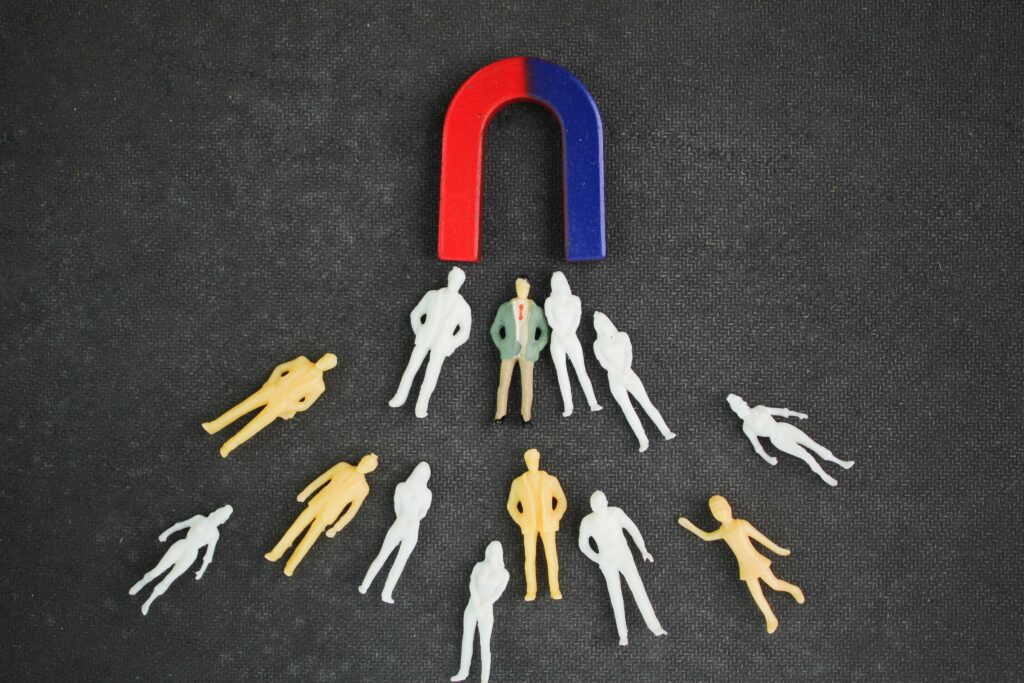
In the early, intoxicating days of a relationship, we often feel like we’ve found our “missing piece.” If you are a high-energy, fast-talking extrovert, you might be mesmerized by the quiet, grounded presence of an introvert. If you are a reserved, reflective soul, you might be invigorated by someone who breathes life into every room they enter.
It feels like magic. It feels like balance.
But fast-forward five or ten years, and those same “enchanting” differences often become the primary battlegrounds of the relationship. The silence you once found peaceful now feels like “stonewalling.” The energy you once found exciting now feels like “chaos” or “exhaustion.” We find ourselves asking: Did I make a mistake? Is it even possible for two people with such different nervous systems to stay together without losing themselves?
Why We Magnetize Toward the “Opposite”
From a psychological and neurobiological perspective, we don’t choose partners by accident. We are often seeking what Terry Real (author of Us) calls “the external solution to an internal problem.”
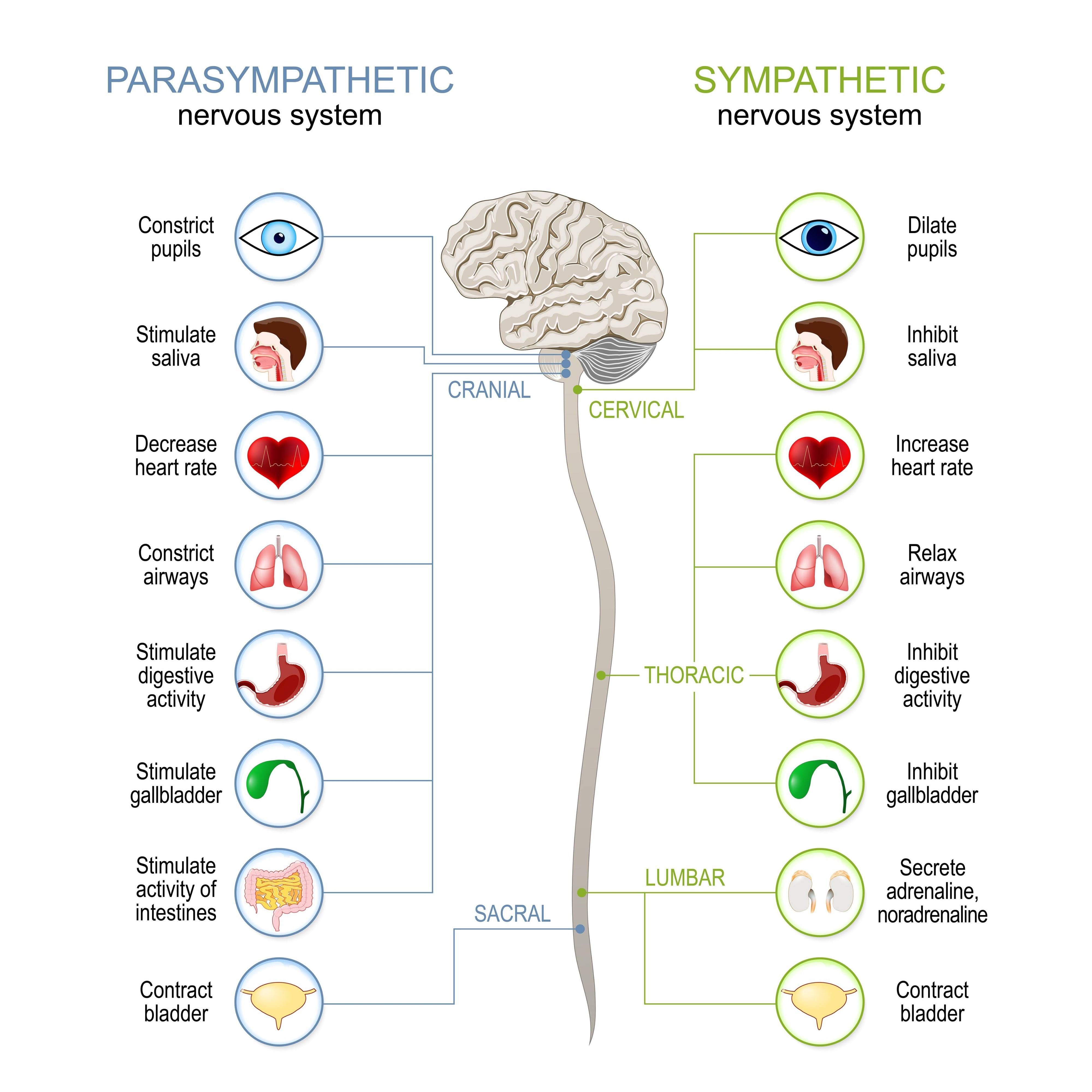
If you are hyper-active, impatient, and extroverted, your nervous system is perpetually in a state of high sympathetic arousal. You are “on.” Deep down, your body craves the parasympathetic “rest and digest” state—the calm, the peace, and the slowing down that you struggle to generate for yourself. So, you “outsource” that calm to an introverted partner. You seek them out to act as your anchor.
Conversely, an introvert who feels stagnant or socially anxious may seek an extrovert to act as their “engine,” pulling them into the world and providing the social momentum they lack.
The Role of Early Blueprints
Our nervous systems are also deeply influenced by our “attachment history.” If you grew up in a home with high-conflict (sympathetic overdrive) or emotional neglect (parasympathetic shutdown), you may subconsciously seek out a partner who recreates that familiar physiological “hum.”
As the saying goes, “What is familiar feels like home, even if it’s a house on fire.” We are drawn to what we know because our brains prioritize predictability over pleasure. If you are used to fighting for attention, you might pick a distant partner; if you are used to being controlled, you might pick a partner who takes up all the space. Thus, a little girl who grew up with an Alcholic parent, chooses an alcholic partner.
The Five-Year Friction: When Balance Becomes Burden
Why do these traits become the reason we leave? Because eventually, the “outsourcing” fails.
When we rely on our partner to balance us out, we stop growing our own internal muscles. The extrovert expects the introvert to provide peace, and when the introvert needs to retreat into their own shell for “recharge” time, the extrovert feels abandoned. The introvert expects the extrovert to handle all the “life-facing” tasks, and when the extrovert burns out, the introvert feels overwhelmed by the sudden noise of reality.
We begin to view our partner’s way of being as a critique of our own.
The introvert thinks: “Why can’t they just be still? They are so shallow and loud.”
The extrovert thinks: “Why are they so boring? They are sucking the life out of me.”
The Neuroscience: Different Brains, Different Rewards
It’s important to understand that introversion and extroversion aren’t just “personality quirks”—they are hardwired. Research by Dr. Marti Olsen Laney in The Introvert Advantage suggests that extroverts and introverts use different neural pathways for processing stimuli.
Extroverts are linked to the Dopamine pathway. They have a higher threshold for stimulation; they need more “hustle and bustle” to feel a reward. Their sympathetic nervous system is geared for “go.”
Introverts are more sensitive to dopamine and rely more on Acetylcholine. This neurotransmitter is linked to the parasympathetic nervous system; it rewards us when we turn inward, reflect, and engage in deep thought.
When an extrovert demands that an introvert “just go to the party,” they are literally asking the introvert to override their physiological reward system. It’s like asking a fish to climb a tree.
Can Opposites Last? The Path to “Relational Mindfulness”
The short answer is yes, but it requires a shift from “You are doing this to me” to “We are wired differently.” Using the frameworks of Sue Johnson (Emotionally Focused Therapy) and Terry Real (Relational Life Therapy), we can bridge the gap.
1. Acceptance of the “Operating System”
In EFT (Emotionally Focused Therapy), Sue Johnson emphasizes that the “dance” is the enemy, not the partner. If you are in a “Pursuer-Distancer” cycle—where the extrovert chases for connection and the introvert retreats for safety—you must recognize that this is a cycle of fear.
The Shift: Stop trying to change your partner’s nervous system. Start respecting it as a different, valid operating system.
2. Setting “Right Expectations”
Terry Real teaches us to abandon the “myth of the perfect partner.” You will never find someone who is exactly like you (which would be boring and offer no growth) nor someone who perfectly complements your every deficit.
The Practice: Negotiate for what you need without pathologizing the other. “I need a social night to feel alive, and I know you need a quiet night to recharge. How do we honor both?”
3. Developing “The Middle Way”
The goal of a healthy partnership isn’t for the extrovert to become an introvert, but for both to develop “flexibility.”
The extrovert learns the beauty of the pause (building their own parasympathetic capacity).
The introvert learns to “stretch” into the social (building their sympathetic resilience).
Is it Boring to Date Your Equal?
While dating someone exactly like you might feel “easy” at first, it often leads to a lack of expansion. Two extroverts might spin off into total exhaustion with no one to ground them. Two introverts might become an isolated island with no one to bridge them to the community.
The “opposite” partner is your Growth Edge. They represent the parts of yourself that you have suppressed or haven’t yet developed.

How to Make It Work: A Checklist for Couples
If you are currently feeling the “five-year itch” caused by your differences, try these interventions:
Educate yourselves on the “Why”: Read Quiet by Susan Cain together. Understanding the biology of your partner’s needs reduces the feeling that their behavior is a personal attack.
Schedule “Parallel Play”: Practice being in the same room doing different things. The introvert reads; the extrovert listens to a podcast with headphones. You are “together” without demanding the same level of stimulation.
Stop the “Patronizing” of Needs: If your partner needs a nap after a social event, don’t call them “lazy.” If your partner needs to talk through their day, don’t call them “needy.”
Seek Relational Therapy: A therapist trained in Real’s RLT or Johnson’s EFT can help you see the “cycle” you get into and teach you how to de-escalate the nervous system before the fight starts.
Final Thoughts
Opposites don’t just attract; they challenge us to become more whole. Your partner is a mirror showing you a different way of being human. When we stop trying to “fix” our opposites and start learning from them, the relationship stops being a battle of wills and becomes a masterclass in love.
It isn’t about finding someone who speaks your language; it’s about learning to be bilingual.
If you’re struggling to bridge the gap in your relationship, reach out. Let’s look at the “dance” you’re doing and find a way to move together with more grace and less friction.
What’s one “opposite” trait in your partner that you used to love? How can you find gratitude for that trait again today?