
In the world of family therapy, there’s a recurring theme I hear from many couples: the early years of raising young children can be the most challenging. While parenting is an incredibly rewarding journey, it also brings significant stress and change to a marriage. Couples often enter this phase with dreams of balancing a fulfilling career, a loving relationship, and a thriving family—but the reality can feel much different. The pressures of child-rearing, long hours, and the constant balancing act can slowly erode the connection that once seemed effortless. As a therapist, I work closely with families to help them navigate these challenging transitions and maintain strong bonds—because the truth is, your relationship as a couple is the foundation of your family system.
The Challenges of the “Young Family” Phase
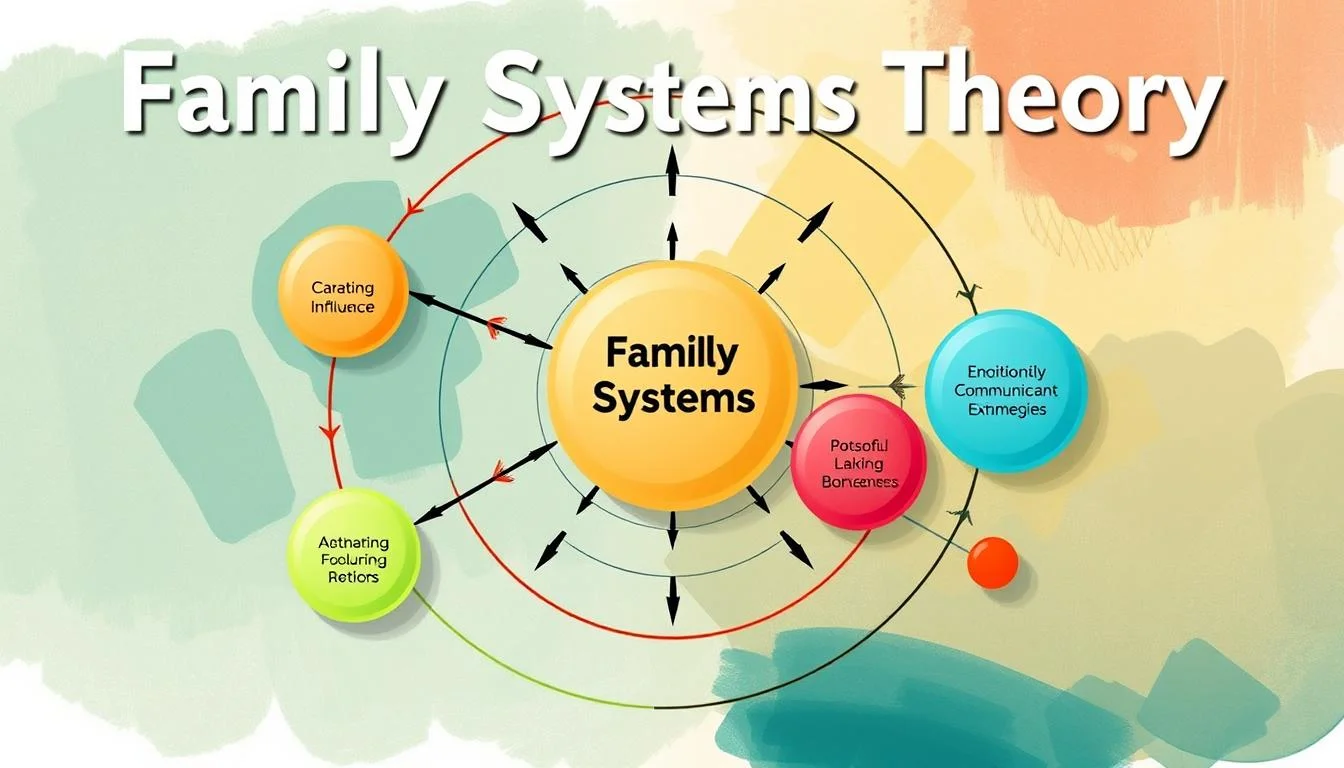
According to family systems theory, developed by Murray Bowen, the family operates as an emotional unit. This means that what happens to one family member affects all others, and the system as a whole is constantly shifting. For couples with young children, these shifts are particularly pronounced. The intensity of raising young children often leads to emotional exhaustion, which can weaken the marital connection. Over time, this creates a cycle where the couple becomes so immersed in their roles as parents that they forget to nurture their partnership.
A key piece of Bowen’s work lies in understanding how family members adapt to life’s transitions. The phase of raising young children is an especially demanding one because it requires couples to balance multiple, often conflicting, priorities. Research consistently shows that marital satisfaction tends to decline during this stage. One longitudinal study from the National Marriage Project revealed that over 40% of parents experience a significant drop in marital satisfaction after the birth of their first child.
What’s going on here? Simply put, this phase of life is a pressure cooker for couples. Parents are sleep-deprived, juggling work, and often feel like they’re running on fumes. There’s less time for each other, and the overwhelming responsibility of raising children can make partners feel like they are living separate lives, even under the same roof. The emotional and physical demands of young children can feel all-consuming, and relationships often take a backseat.
The Myth of “Having It All”—All at Once
In today’s world, the idea of “having it all” is a pervasive and persistent myth. This myth often leads to unrealistic expectations—expectations that can set couples up for failure, especially during the stage of raising young children. Many partners go into parenthood believing they can perfectly balance their careers, family lives, and their relationship with each other. While it’s absolutely possible to achieve a fulfilling, well-rounded life, the reality is that these goals rarely happen simultaneously, at least not in the way we might imagine them.
One of the most important things couples must learn to embrace is the concept of “intentional sacrifice.” At certain points in life, some things must take a backseat for others to flourish. In the phase of raising young children, for example, couples often need to accept that their romantic relationship might not always be the main priority. This doesn’t mean giving up on the relationship—it means understanding that during this time, career goals, personal hobbies, and social lives may need to take a temporary backseat. At the same time, the marriage should still be nurtured, even if it looks different than it did before kids.
As couples go through these shifts, it’s helpful to engage in open communication about the sacrifices each partner is willing to make. This could include adjusting expectations around work-life balance or redefining what “quality time” means during this phase of life. Dr. John Gottman’s research emphasizes that couples who discuss their shared goals and needs, and who are flexible about the inevitable sacrifices of family life, are more likely to maintain a healthy relationship long-term.
The Emotional Exhaustion of Parenthood and the Need for Connection
The emotional strain of having young children cannot be understated. Parents often feel as though they’re running on empty, especially when juggling the responsibility of their children’s needs alongside professional and household duties. Over time, this emotional exhaustion can cause a couple to feel disconnected, even though they may still be living in close physical proximity.
Research from the American Psychological Association has found that emotional exhaustion can decrease the ability of couples to engage in positive communication, which is critical for maintaining a strong relationship. Without the mental and emotional energy to connect with each other, partners may become increasingly frustrated and distant. This lack of emotional connection, if left unchecked, can escalate into serious issues down the line, such as increased conflict or even separation.
However, couples don’t have to let exhaustion drive a wedge between them. One of the most important things I encourage couples to do is to intentionally set aside time for one another, even if it’s brief. It’s common for couples to stop “dating” each other after children come into the picture, but this is precisely when those moments of connection become even more important. Whether it’s a quick kiss before leaving for work or a brief but meaningful conversation at the end of the day, these small actions help maintain intimacy. Gottman’s research also suggests that maintaining “rituals of connection” is crucial for relationships to thrive in the face of adversity.

The Importance of Relationship Check-Ins
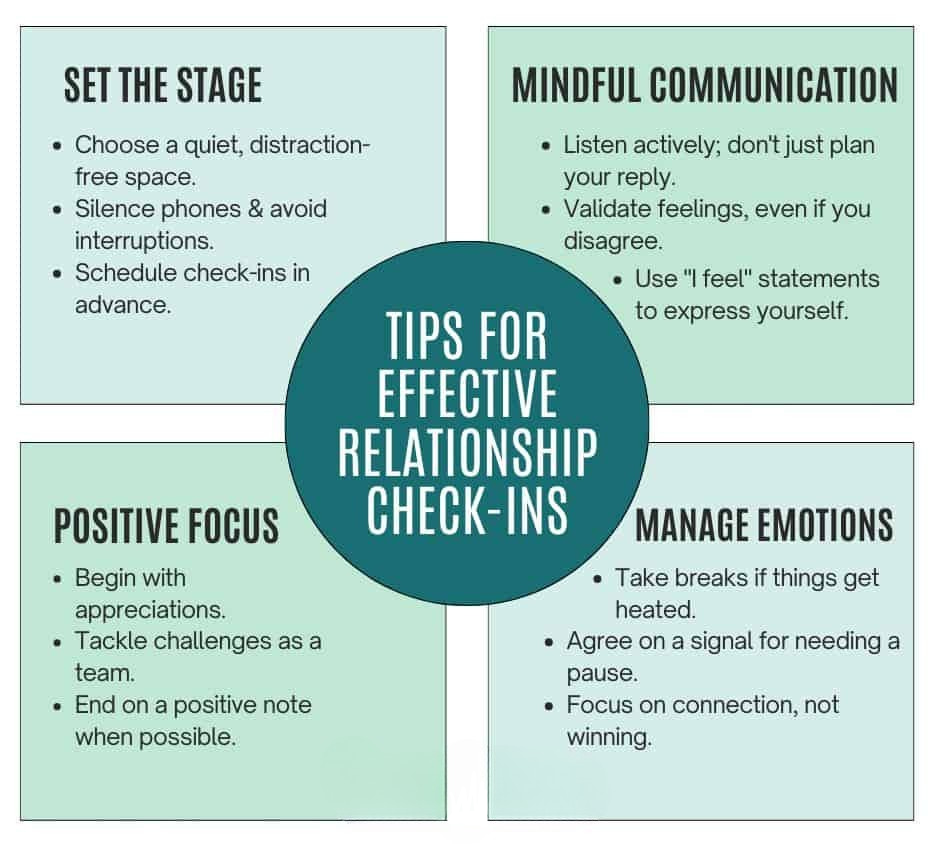
One of the most effective strategies for staying connected as a couple while raising children is regular “relationship check-ins.” These check-ins are intentional, open conversations about how each partner is feeling in the relationship. It’s not about the logistics of the day-to-day but about maintaining emotional intimacy. I often recommend that couples schedule a “meeting” where they check in with one another on a weekly or bi-weekly basis.
During these check-ins, it’s important to talk about your individual needs—whether it’s the need for more personal time, the desire for a stronger emotional connection, or even concerns about parenting styles. Additionally, these check-ins help partners stay on the same page about parenting decisions, which is important for creating a united front in front of the children. Research by Linda and Richard LaPierre, in their study of family systems, shows that couples who actively communicate and support one another have stronger, more resilient relationships. This is especially critical when raising young children, as it reduces the risk of emotional withdrawal or resentment.
The Role of Goal Setting in Family Life
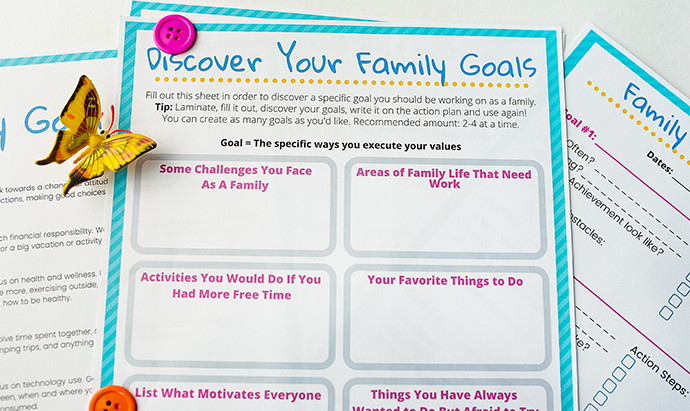
Successful family life requires goal setting—not just in terms of financial stability or career objectives, but also relational goals. Couples should set both individual and shared goals. These goals help provide a sense of direction and a roadmap for navigating challenges as a team. Setting shared goals allows couples to feel like they’re working towards something together, whether it’s saving for a family vacation or creating a shared vision for how they want to parent.
These goals also serve as a reminder that while parenting may dominate the day-to-day, the long-term health of the marriage is just as important. Even if it’s not possible to have “it all” at once, setting clear goals can help couples stay on track toward a balanced family life that includes emotional fulfillment and connection. Having regular, planned date nights, and family meetings to discuss weekly or daily agenda’s is a MUST.
Raising Young Adults: The Long-Term Perspective
Raising children is ultimately about preparing them for the world. This phase, while it may feel overwhelming, is just one chapter in the long process of launching young adults into the world. And it all starts with the foundation that you, as a couple, create together. The way you nurture your marriage during these early years sets the stage for the health of your family system in the future.
Research has shown that children of couples who maintain a strong, loving relationship are more likely to have positive outcomes in their own relationships and emotional health. The key is maintaining a balance—understanding that there will be times when parenting will demand more of your attention, but also recognizing that the health of your marriage is essential for raising well-adjusted children.

Conclusion
The phase of raising young children is undeniably difficult for many couples, but it’s also a time of incredible growth and transformation. By focusing on maintaining your emotional connection, embracing sacrifice, and setting clear relationship goals, you can weather the challenges and emerge stronger as a family. Life is about seasons—sometimes you’ll be focused on your career, and other times, your children will take priority. But by intentionally nurturing your partnership, you ensure that the foundation of your family remains strong. And ultimately, that’s what will allow your family to thrive—now and in the years to come.