
If you’ve noticed a sudden surge of articles, podcasts, and social media discourse surrounding adult enmeshment, you aren’t alone. My previous blog on this topic resonated nationwide, sparking a massive wave of engagement. It clear that we have struck a collective nerve.
As a Licensed Marriage and Family Therapist (LMFT), I see this phenomenon playing out weekly in my practice. But there is a very specific, undeniable pattern emerging over the last 15 years that we need to talk about honestly: the profound, often destructive impact of enmeshment between adult mothers and their adult sons. In my years of clinical practice and discussions with peers, a striking asymmetry has appeared. While enmeshment can happen in any dynamic, I have rarely, if ever, seen a clinical case where a wife’s mother causes the level of relational fracture, trauma, and ultimate separation that a husband’s mother does when she refuses to let go.
What is happening in our world right now that is driving this specific wedge? Why are relationships being severed, grandchildren being withheld, and reconciliation feeling so far out of reach? Let’s dive into the cultural, generational, and psychological forces at play.
The Perfect Storm: How the 30-Something Generation Was Formed
To understand why this is peaking now, we have to look at the unique, high-anxiety landscape the current 30-something generation grew up in, and the specific pressures their parents faced.
The Trauma of the World: This generation of adult children has navigated an unprecedented era of collective anxiety. They experienced the rise of school shootings, the financial instability of the 2008 recession just as they entered adulthood, and a global pandemic that stole major milestones—graduations, first jobs, and foundational social experiences.
The Overcompensating Parent: The parents of this generation (often Boomers or early Gen X) frequently came from families of origin marked by emotional neglect, divorce, or financial scarcity. They vowed to give their children “more than they ever had.”
Driven by deep love but fueled by a high-anxiety world, many parents shifted from protecting their children to over-functioning for them. When the world feels unsafe, the parental instinct is to pull the child closer. Over time, this protective cocoon morphs into a subtle, emotional codependency. The parent’s primary sense of purpose, identity, and emotional regulation becomes inextricably tied to their child.
Why the Mother-Son Dynamic Carries a Unique Risk
When this over-functioning style is applied to a mother and her son, a specific psychological architecture often develops. In many families, if a mother is unfulfilled in her own marriage, lonely, or processing her own historical trauma, she may unconsciously lean on her son for the emotional support a partner should provide. This is what we call emotional incest or parentification—not physical, but a profound blurring of psychological boundaries.
The son grows up conditioned to believe that he is responsible for his mother’s happiness. He learns that asserting independence, setting boundaries, or prioritizing another woman feels like a betrayal of the woman who sacrificed everything for him.
The Impact on Life, Love, and Intimacy
Enmeshment is a silent thief. It doesn’t look like abuse; it often looks like “closeness.” But when that adult son tries to build a life with a spouse, the cracks in the foundation begin to split wide open.
1. The Triangulated Marriage
In a healthy marriage, a couple forms what family systems theory calls a primary dyad. They are a team; the perimeter around them is secure. In an enmeshed dynamic, the mother sits squarely inside that perimeter. Decisions about finances, parenting, vacations, or holidays are no longer made by two people—they are subtly negotiated around the mother’s feelings, reactions, and approval.
2. The Erosion of Intimacy
True intimacy requires emotional availability. If a husband is constantly expending emotional energy managing his mother’s anxiety or guilt trips, he has less to give his wife. The wife quickly begins to feel like “the other woman” in her own marriage. She is left lonely, resentful, and locked in a losing battle for her husband’s primary loyalty.
3. The Ultimate Fracture: Estrangement and Withheld Grandchildren
When the wife finally demands boundaries, the enmeshed mother often perceives this not as a natural developmental step, but as a hostile attack. Because the mother’s identity is so enmeshed with her son, a boundary feels like an amputation.
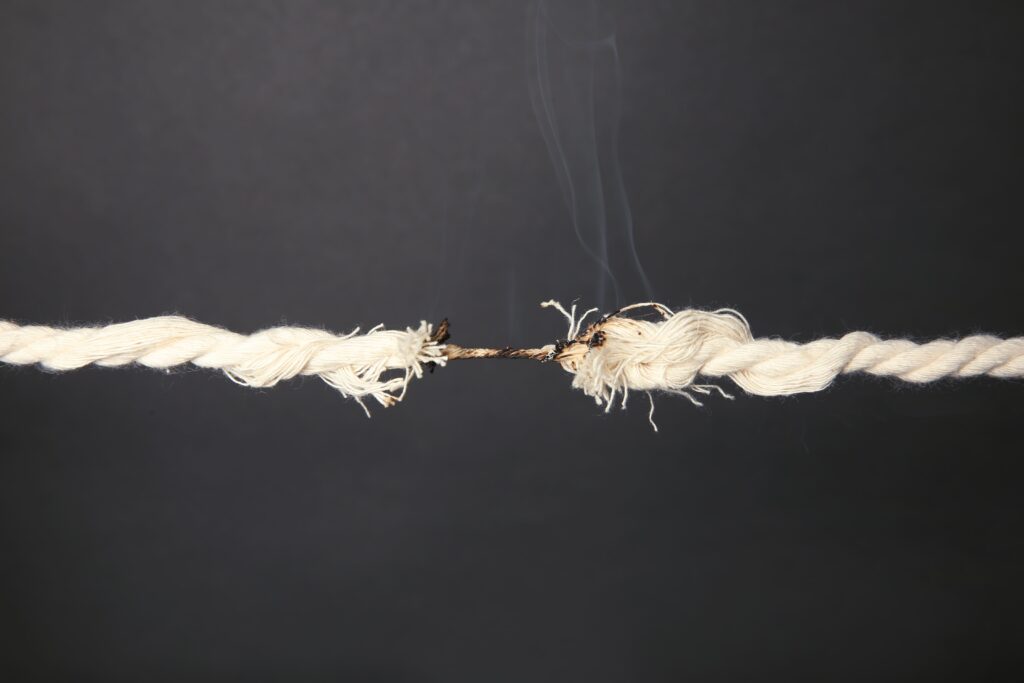
Instead of adapting, the mother may double down, guilt-tripping the son or vilifying the daughter-in-law. Caught in an impossible double-bind, the son is forced to make a choice. To save his marriage and his own mental health, he may have no choice but to cut contact. This is how we arrive at the tragic reality of severed relationships, missing milestones, and grandchildren being withheld. It is a desperate, last-resort attempt by the couple to protect the safety of their nuclear family.
A View From the Other Side: The Power of Respect
As a therapist, I look at this clinically. But as a mother myself to a 31-year-old son, I also feel this deeply on a personal level. I know the profound love we have for our sons. But true maternal love must evolve.
When my son married, I made a conscious, daily choice to step back so he could step forward as a husband. I prioritize his wife. I treat her with the immense respect, honor, and dignity that the matriarch of his new family deserves.
The Paradox of Parenting Adult Children: The more room we give them to leave, the more love they bring back to us. When we honor the wife, we secure our place as a loved, respected elder in their lives. When we fight the wife for dominance, we almost always lose our son.
The Path Forward: Healing the System
If this blog mirrors your current reality—whether you are the frustrated wife, the conflicted son, or the mother realizing she has held on too tightly—change is possible, but it requires radical honesty.
For the Son: It is your job to build the wall that protects your marriage. Loving your mother does not mean sacrificing your wife’s peace. You must practice saying, “I love you, Mom, but my wife and I will be making this decision together.”
For the Mother: Your son’s marriage is not a rejection of your past parenting; it is the success of it. You raised a man capable of loving a partner. Step back, invest in your own life, hobbies, and friendships, and treat your daughter-in-law as the ally she is, not the competition.
For the Couple: If you are drowning in the fallout of enmeshment, seek specialized family systems therapy. The conditioning runs deep, and having a neutral professional guide you through setting boundaries without guilt is life-changing.
Enmeshment thrives in secrecy and obligation. By bringing it into the light, we aren’t destroying families—we are giving them the tools to finally build healthy, lasting connections.
If your relationship or marriage is struggling under the weight of family boundaries and enmeshment, you don’t have to navigate it alone. Contact our practice today to schedule a session.
Carolyn Riviere