
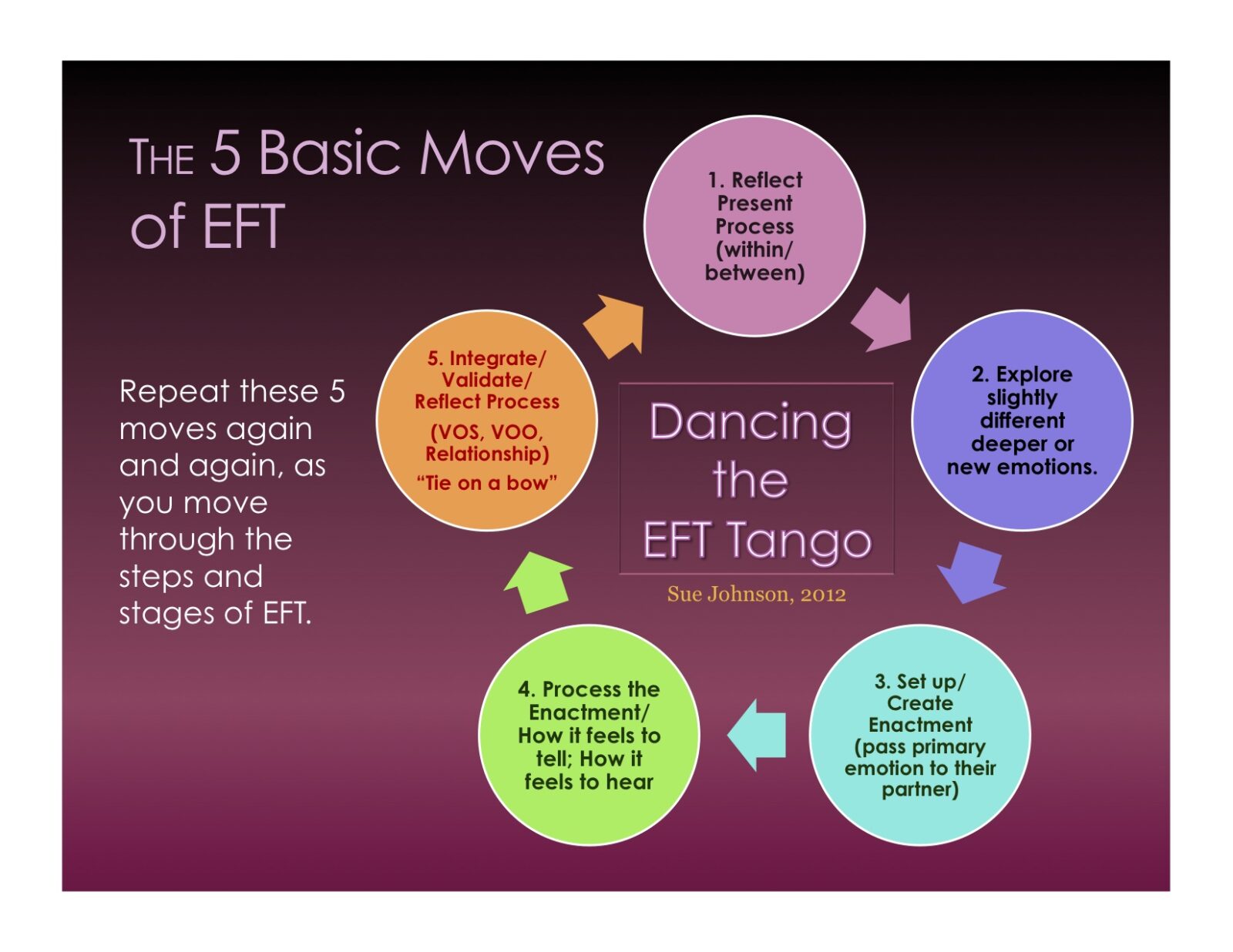
Every couple experiences conflict, but when you find yourselves caught in the same fight—what I often refer to as “Same Fight, Different Day”—it can feel disheartening and exhausting. As an Emotionally Focused Therapist trained in Dr. Sue Johnson’s modality, I have witnessed firsthand how these destructive cycles can drain the emotional energy from relationships. Sue Johnson’s research highlights the importance of attachment and emotional connection in couples, revealing that many partners fall into predictable patterns, or “Dances,” during conflict.
Among these patterns, the pursuit and withdrawal dynamic stands out, often leaving one partner feeling emotionally threatened while the other retreats. Additionally, insights from Terry Real’s conflict resolution strategies provide valuable tools for couples seeking to break free from these ruts. In this blog post, we will delve into the neuroscience behind these relational patterns, explore the emotional ruts couples experience, and discuss practical strategies for overcoming these challenges.
Understanding the Emotional Dance: Sue Johnson’s Research
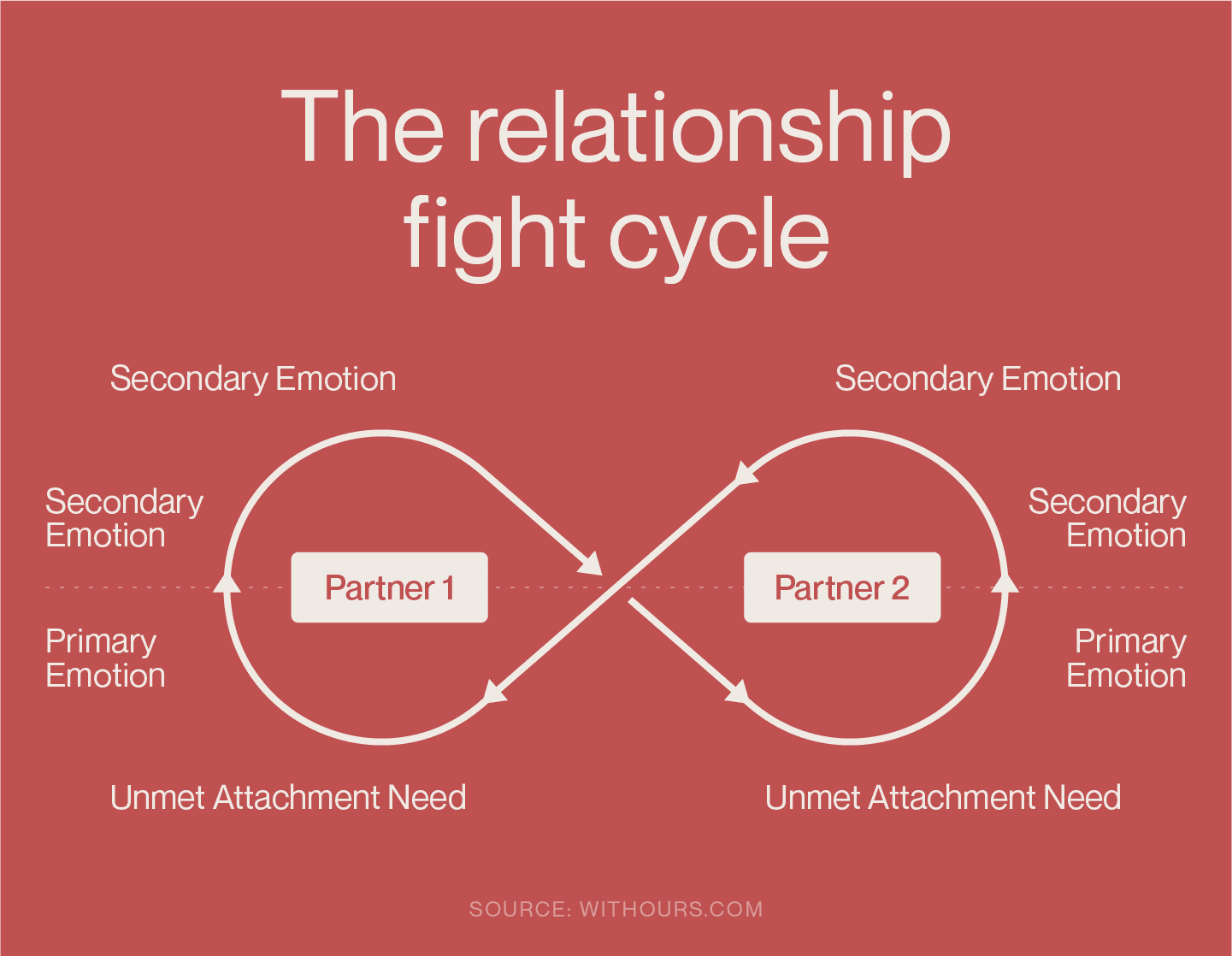
Dr. Sue Johnson’s groundbreaking work in Emotionally Focused Therapy identifies the cyclical nature of conflict in relationships. Her research emphasizes that couples often engage in emotional “Dances” that reflect their attachment needs. These Dances can manifest as cycles of anger, contempt, and disappointment, leading to emotional disconnection.
One prominent cycle is the pursuit-and-withdrawal dynamic. In this cycle, the pursuer seeks emotional connection and reassurance, often feeling anxious and desperate for closeness, while the withdrawer feels overwhelmed and may retreat, leading to further emotional distance. This pattern can create a sense of emotional threat for the pursuer, who perceives their partner’s withdrawal as rejection.
In the therapeutic setting, I can help couples breakdown the “why’s” of these cycles, understanding the attachment breaks, wounding, that has been experienced not only in their relationship but the impact of a lifetime of wounde-ness and hurts. Once we understand as couples and individuals, the impact of our past experiences that we are bringing into our current relationship, we can begin to break the negative bonding that holds us tight.
The Neuroscience of Conflict: Brain and Neuronal Pathways
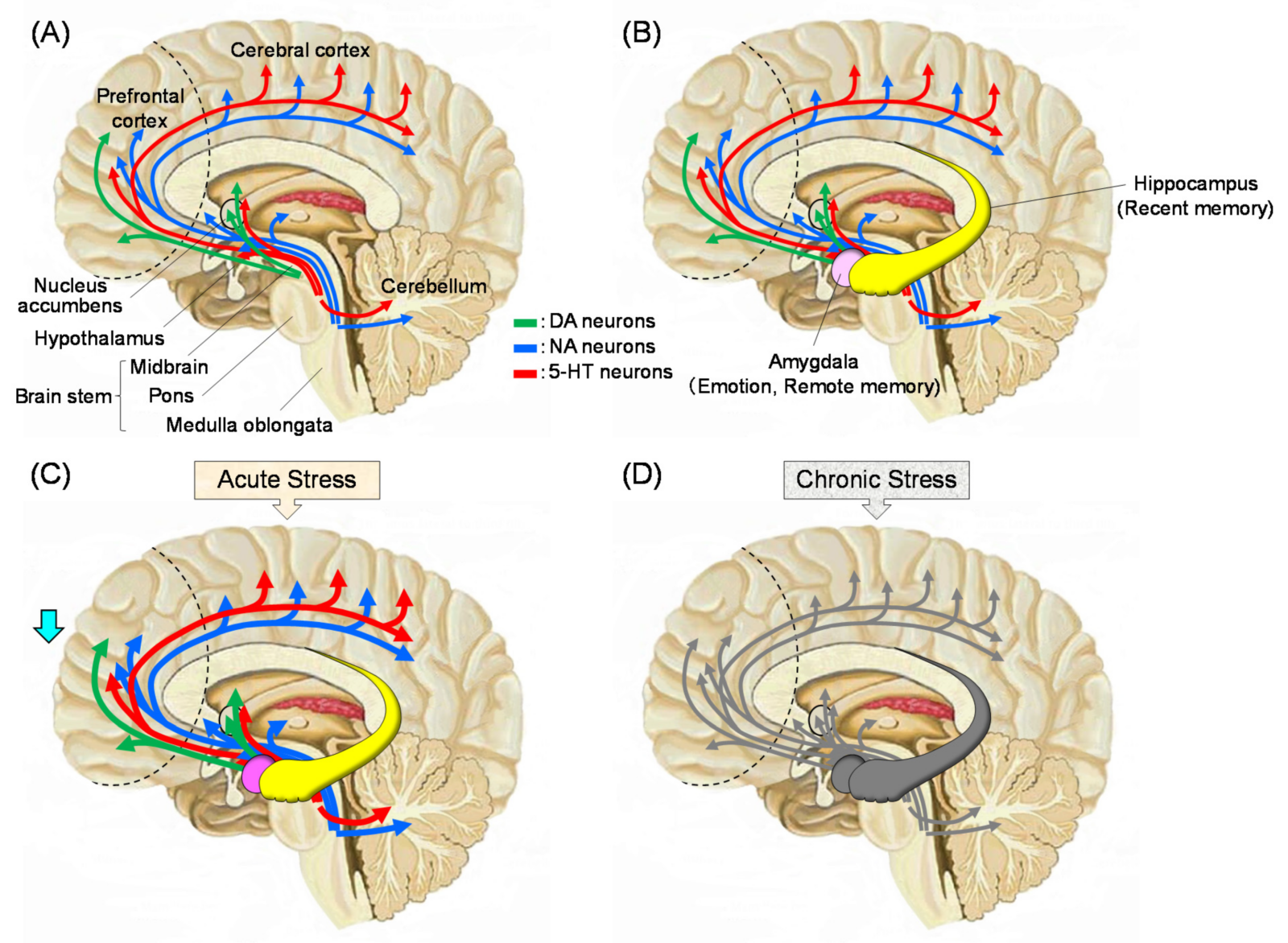
Understanding the neuroscience behind these cycles can shed light on why they feel so unbreakable. When couples engage in conflict, their brains activate neural pathways associated with stress and fear. This can lead to heightened emotional responses, making it difficult to think clearly or communicate effectively.
Over time, these repeated patterns can create ruts in the road—well-worn pathways in the brain that reinforce negative behaviors and reactions. As couples continue to engage in the same cycles, these pathways become stronger, making it increasingly challenging to break free from the destructive Dance.
Terry Real’s Conflict Resolution Strategies
Most individuals have no working concept of conflict resolution. Who would teach us? Our parent’s generations hardly spoke of such things!
In his work, Terry Real emphasizes the importance of addressing conflict constructively. He advocates for a collaborative approach where both partners can express their needs and feelings without resorting to blame or defensiveness. Here are some of his key strategies that can help couples navigate their conflicts:
- Recognize Emotional Triggers: Partners should identify what triggers their emotional responses. Understanding these triggers can help both partners approach conflicts with greater empathy.
- Communicate Needs Clearly: Rather than focusing on what’s wrong, partners should articulate their needs. For example, the pursuer might say, “I need to feel valued and understood,” while the withdrawer can express, “I need some time to process my thoughts.”
- Practice Conflict Resolution Skills: Couples can benefit from learning specific skills that promote healthy conflict resolution, such as taking time-outs when emotions run high and returning to the conversation when both partners are calmer.
- Cultivate Connection: Regularly investing time in nurturing the relationship can help couples build a stronger emotional bond, making it easier to navigate conflicts when they arise.

Breaking Free from the Cycle
To break free from the same fight, different day, couples must commit to understanding their emotional patterns and actively work to change them. Here are some practical steps:
- Acknowledge the Cycle: Both partners must recognize the Dance they are engaged in and understand their roles within it.
- Create a Safe Space for Vulnerability: Establish an environment where both partners can express their feelings without fear of judgment or retaliation.
- Engage in Active Listening: Make a conscious effort to listen to each other, validating feelings and showing empathy.
- Seek Professional Guidance: If you find yourselves stuck, consider engaging a therapist trained in Emotionally Focused Therapy to help navigate these cycles effectively.
Conclusion
Let’s break the transgenerational bondage of attachment injuries, destructive cycles, and lack of healthy conflict resolution strategies! Breaking free from the destructive cycles of conflict is a journey that requires commitment, understanding, and vulnerability from both partners. Unfortunately, this is not easily done on your own. However, with the help of a professional, these conflicts can be eliminated fairly quickly. By recognizing the emotional Dances that bind you, understanding the neuroscience behind your reactions, and implementing effective conflict resolution strategies, you can foster a deeper, more meaningful connection in your relationship.
If you find yourselves caught in the same fight, different day, take the first step today. Together, you can navigate these challenges and create a stronger, more resilient partnership.